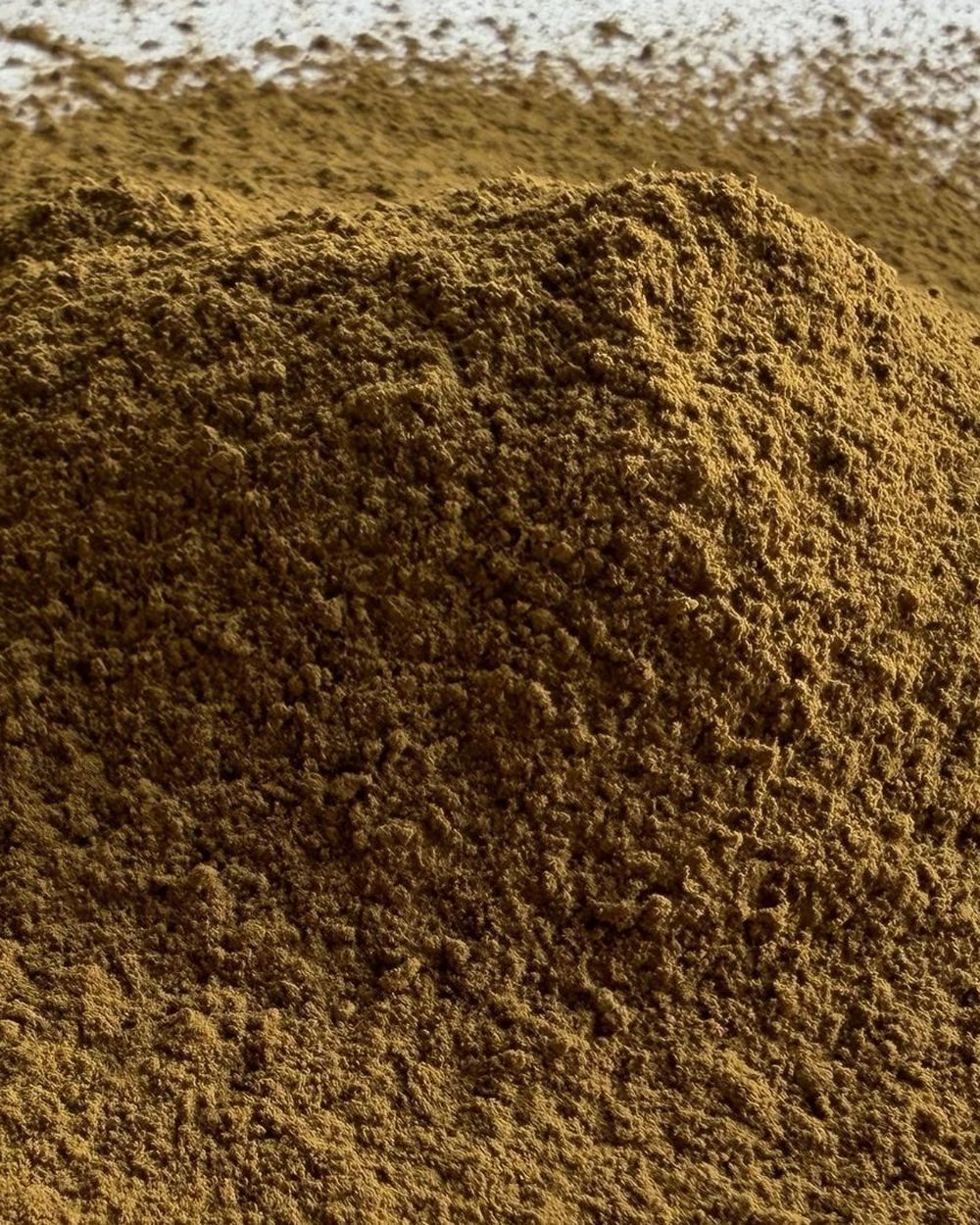
What is NAGATA × ARTEFACTUM?
The name under which Nagata Chaen's organic Uji matcha is presented in Europe. Nagata Chaen selects, composes and mills the tea. ARTEFACTUM, the cultural curation house of EL ZION Co., Ltd. (Tokyo), presents it in Europe and looks after trade partners. The tea itself is entirely Nagata's.
Who produces NAGATA matcha?
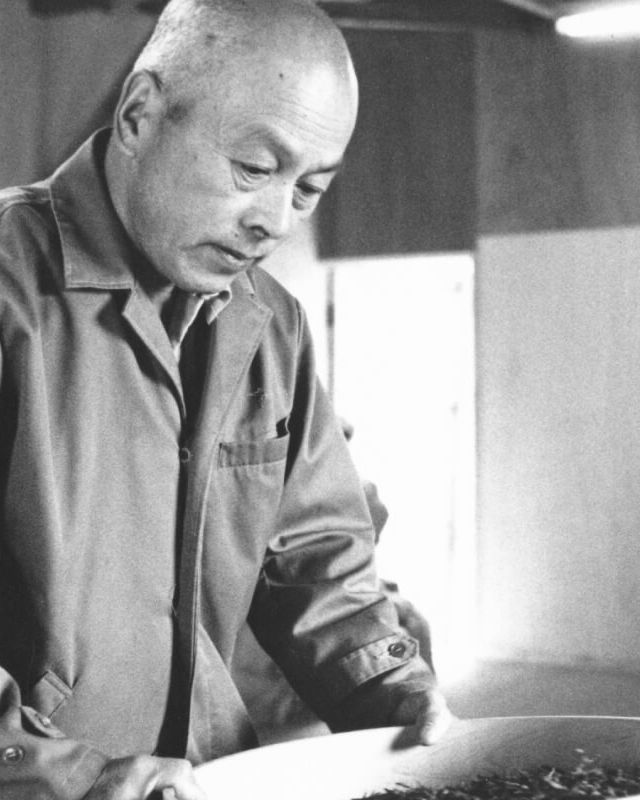
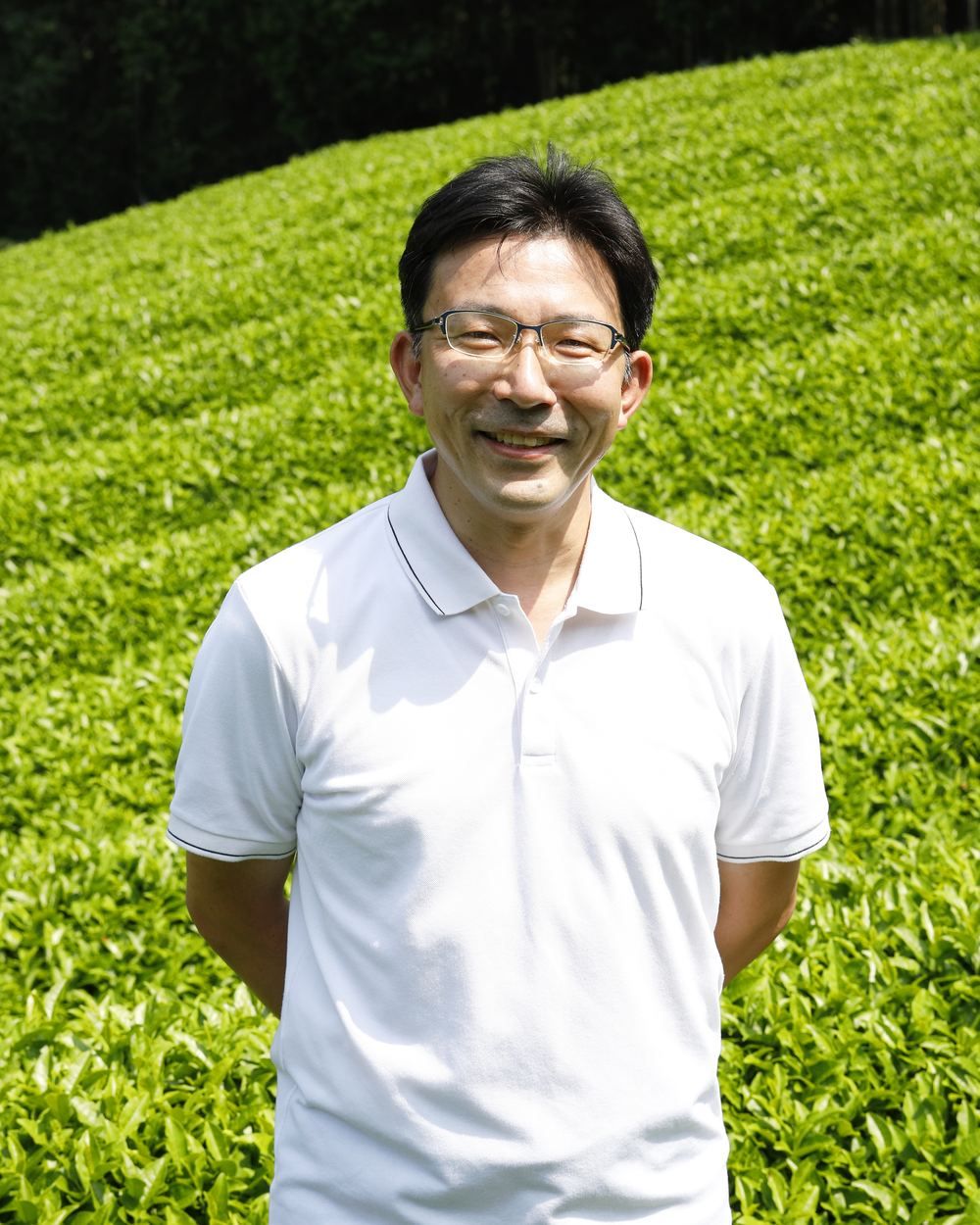
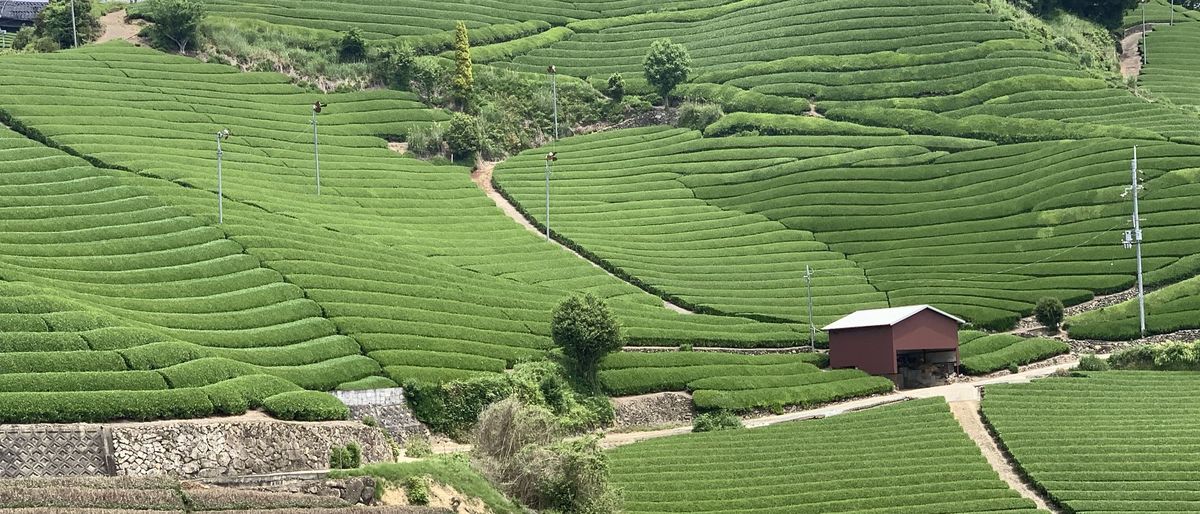
Nagata Chaen, a family tea house in Kyoto Prefecture, devoted to organic tea since 1970 and now led by the third generation, Yasushi Nagata. Its tea is finished in Ujitawara, in the Uji tea region.
Is it Uji matcha?
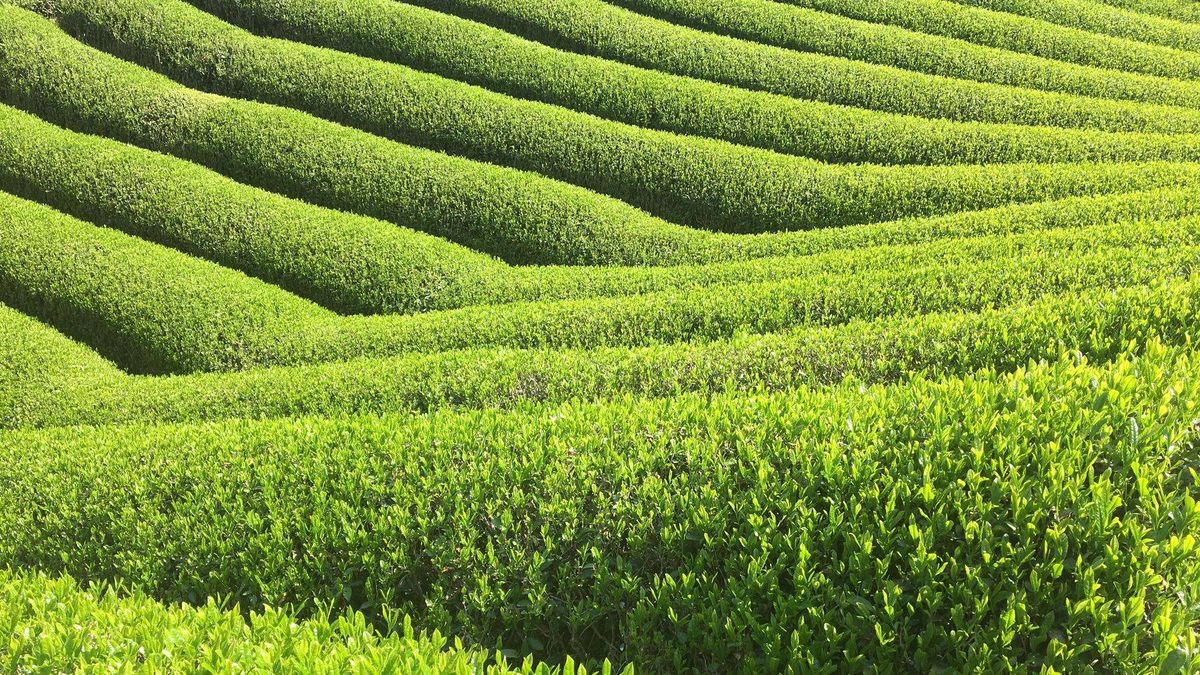
Yes. Nagata's matcha meets the definition of Uji tea and is finished in Ujitawara, Kyoto Prefecture, one of the historic heartlands of Uji tea. The house is not in Uji city itself — hence “maison de thé bio d'Uji”: of the Uji tea region.
Is it certified organic?
Yes. Nagata holds Organic JAS certification for processed foods (JN951221PR-0243-0, certified by JONA) and ISO 22000 for food safety; its organic matcha and hojicha powder are also kosher certified (Kosher Japan). The house has worked without agrochemicals or chemical fertiliser since 1970. Certificates and documents for EU import are provided to trade buyers on request.
What is JONA, and how is Nagata linked to it?
JONA (Japan Organic & Natural Foods Association) is a Japanese organic certification body. The Nagata family was among its founders — the house helped build organic certification in Japan rather than simply obtaining it.
Why Ujitawara?
Ujitawara is where Nagatani Sōen created the sencha method in 1738. It is widely regarded as the birthplace of sencha, and remains one of the heartlands of Uji tea.
Is it single-origin?
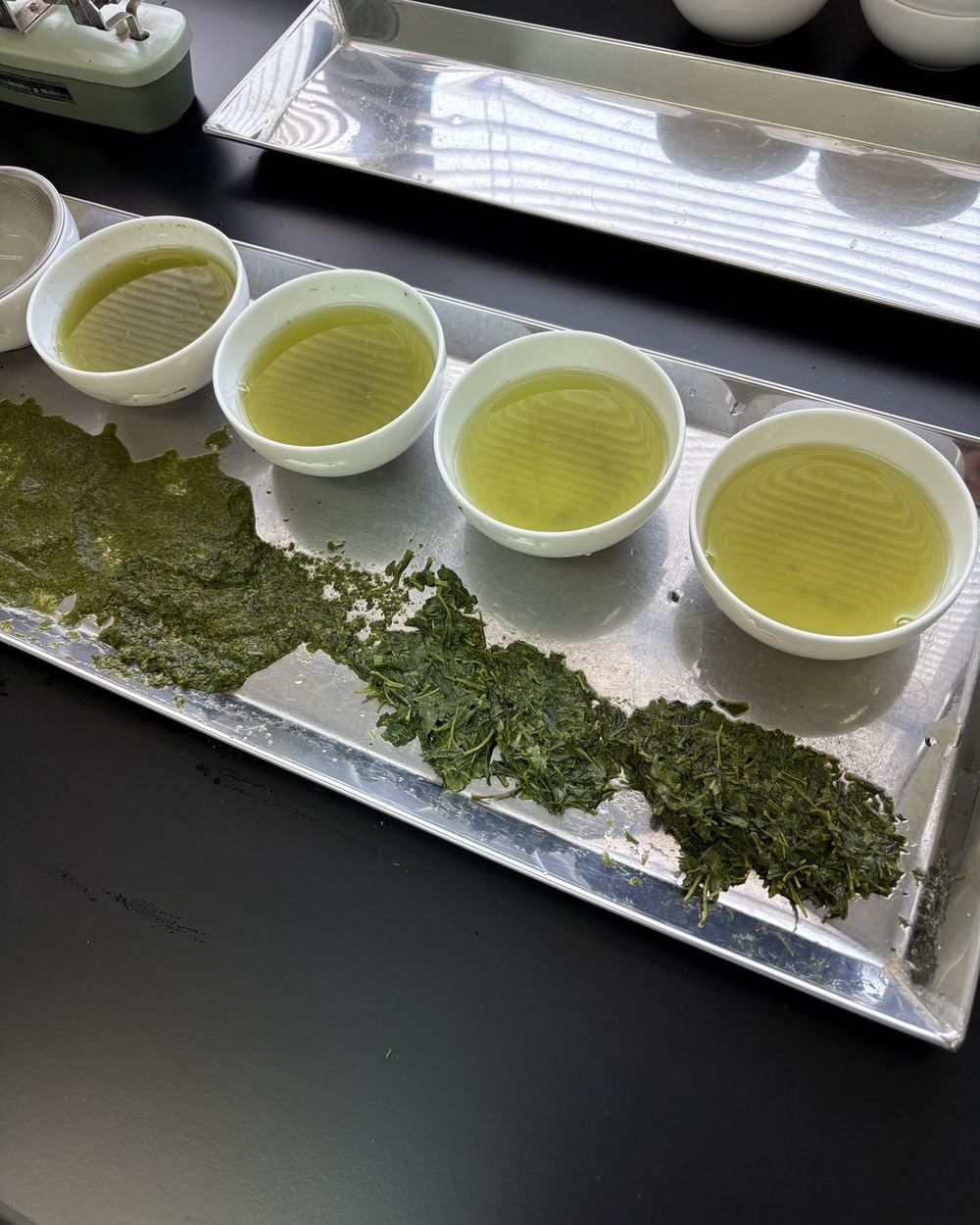
No — and that is a choice. Much as a Champagne house composes its cuvée, Nagata selects organic tencha from partner growers in the Uji tea region and composes lots of different character into each grade (gōgumi). This is how Japanese tea masters build depth and balance, and it keeps colour, aroma and depth constant from season to season — the consistency a professional kitchen relies on. Single-origin and composed teas are two different expressions, not a ranking; Nagata's is the house style.
If it is composed, is it traceable?
Yes. Nagata's traceability is built on two certified systems: Organic JAS, under which every step — from the certified organic tencha the house buys to the finished, packed grade — is recorded and inspected by the certification body, JONA; and ISO 22000, the international food safety management standard. Each lot can be traced back to the certified organic growers it came from. Composed, but never anonymous.
How is the matcha milled?
The grades offered for Europe are bead-milled — a cool, even grind that the house holds to the standard of the stone mill. Stone-milled grades will be added in 2027.
What is a bead mill, and how does it compare with a stone mill?
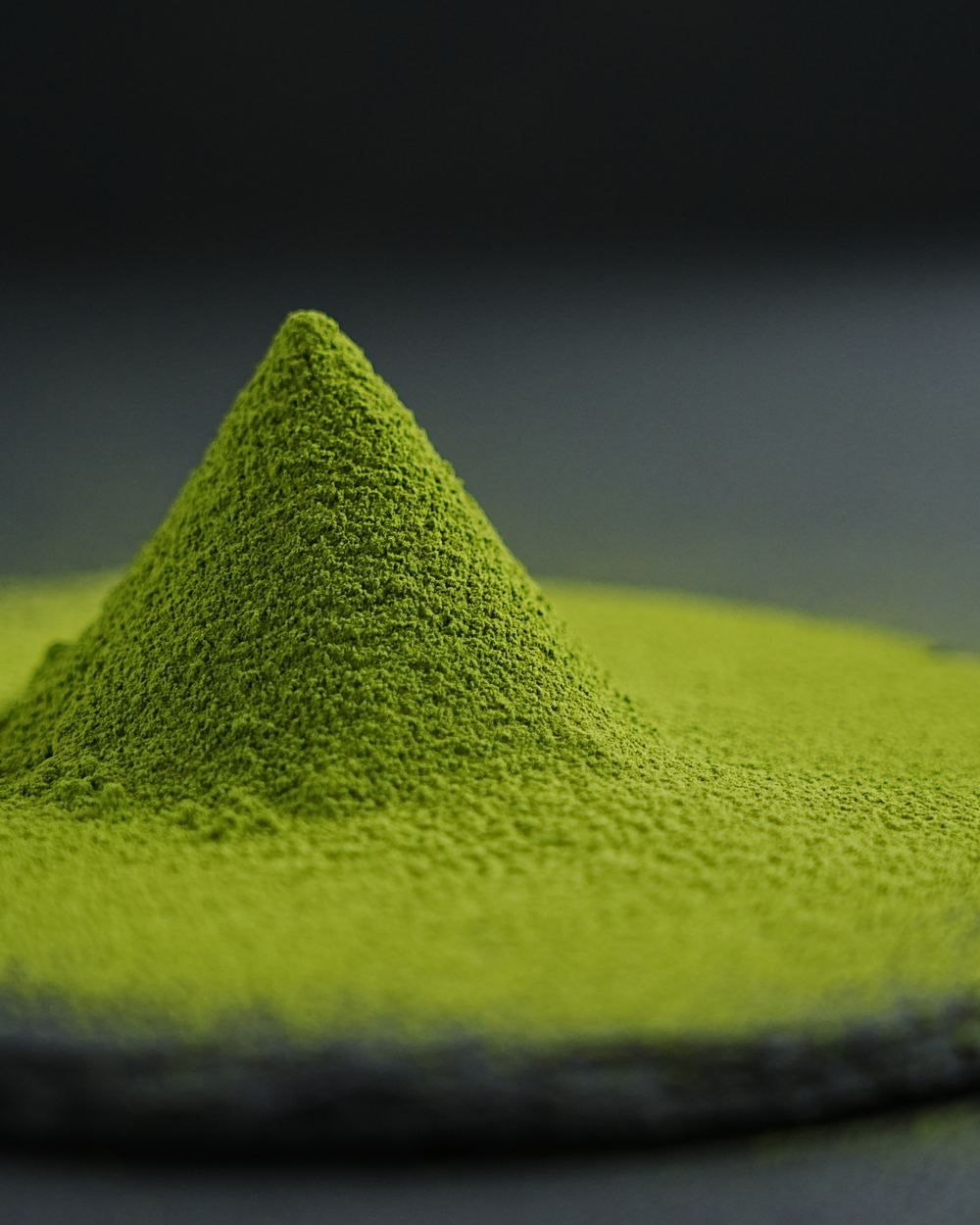
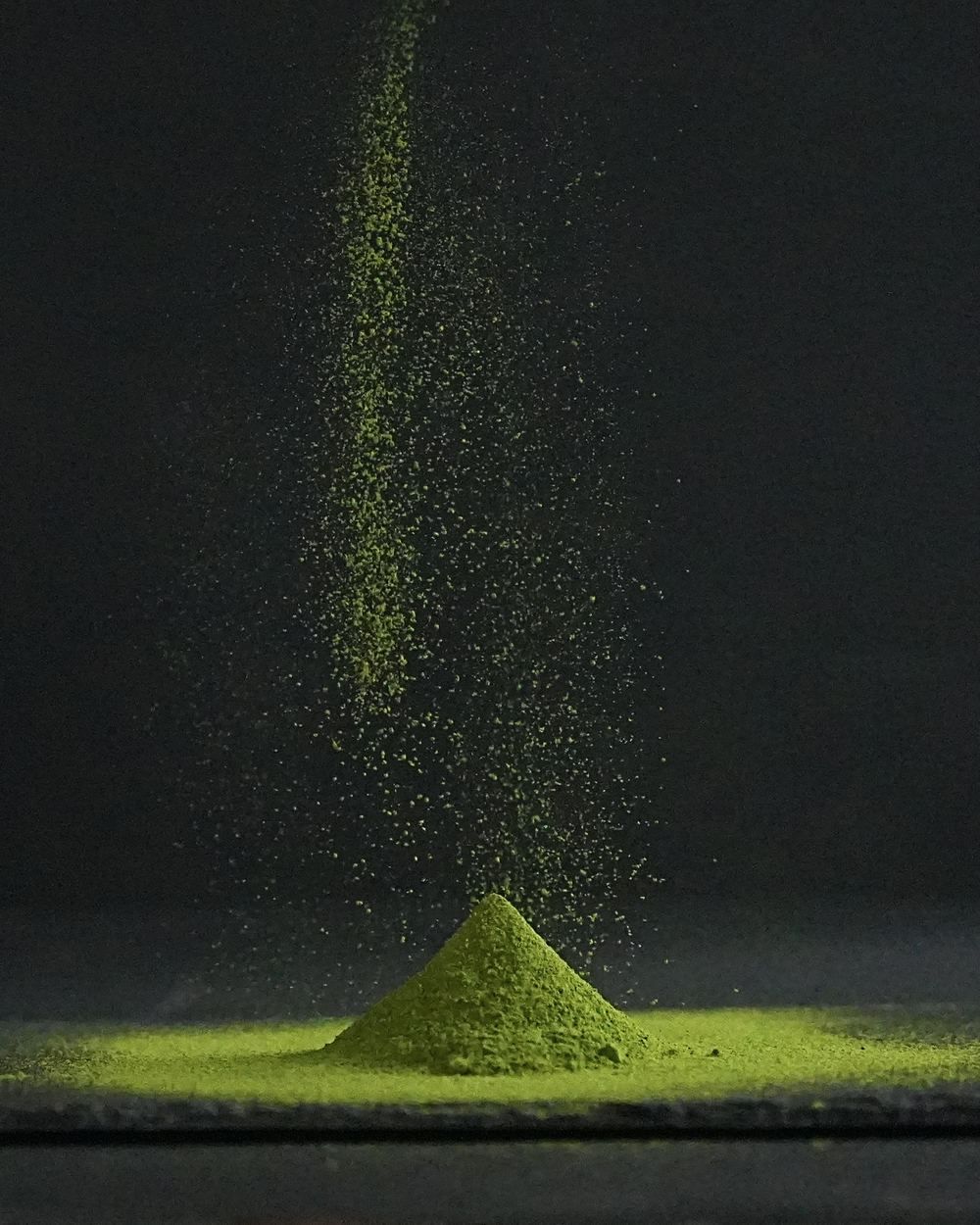
A bead mill grinds tencha in a chamber filled with fine stainless-steel beads. It produces a very fine, even powder with little heat build-up, which helps protect colour and aroma. Nagata holds its bead-milled grades to the standard of the stone mill: in blind tastings, the house finds almost no difference between the two. The stone mill remains the original way of making matcha, and stone-milled grades will join the range in 2027.
Which products are available?
Three grades of organic Uji matcha — Premium Grade, Select Grade and Standard Grade — and organic hojicha powder. Only the higher grades are released for Europe, in limited volumes allocated each year.
How do I prepare it?
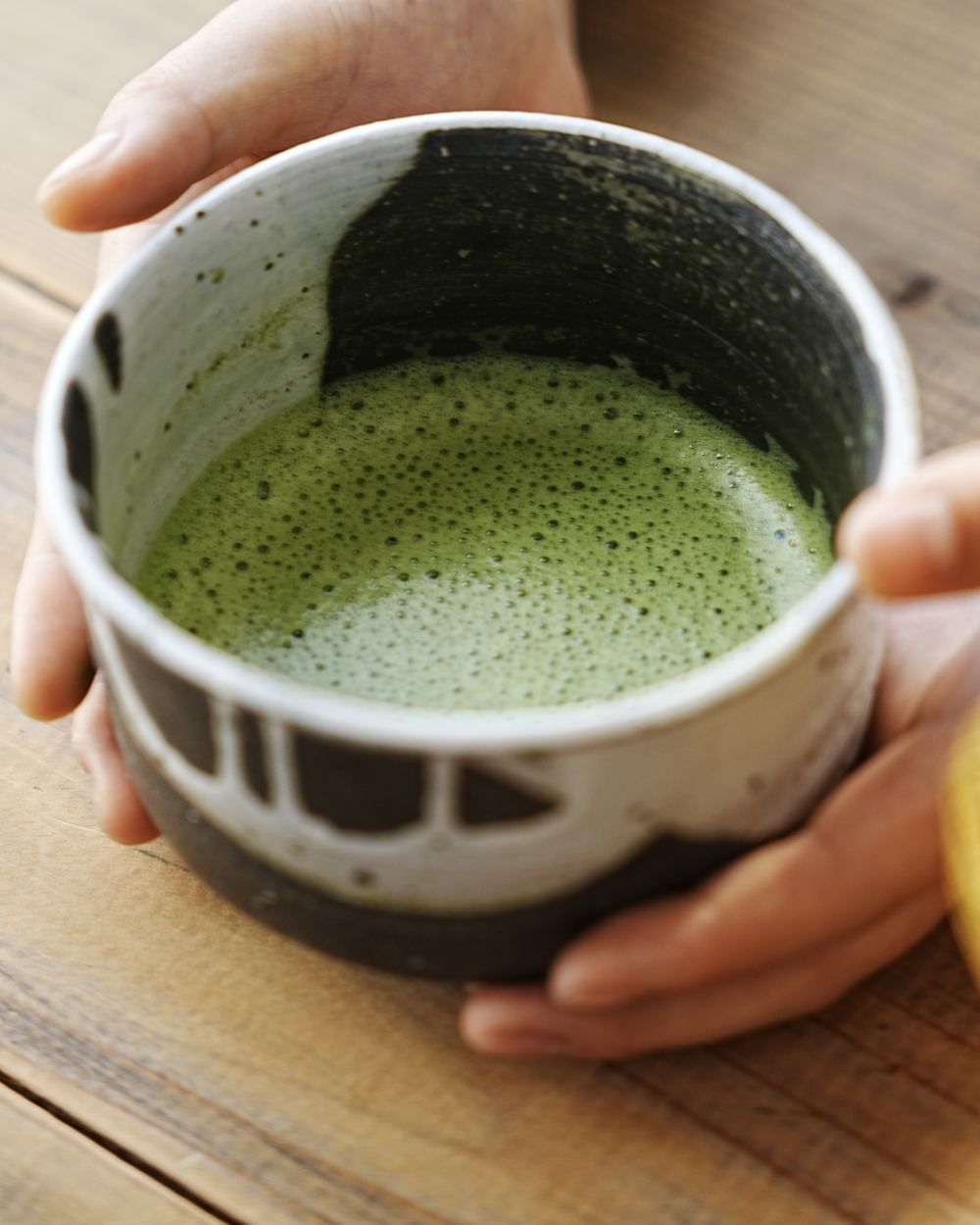
For one bowl: 1.5–2 g of matcha (two scoops with a bamboo spoon) and 60–80 ml of water cooled to 70–80 °C. Sift the matcha first to avoid lumps, then whisk briskly with a bamboo whisk until a fine foam forms. Without a whisk, a small blender works.
Where can we taste it?
At Sirha Lyon 2027, 21–25 January 2027, Eurexpo Lyon — Japan Pavilion, stand 5B44-13. Tastings are by appointment.
Who handles export and trade enquiries?
EL ZION Co., Ltd. (Tokyo) brings Nagata's tea to Europe and handles trade enquiries, documentation and shipping.